


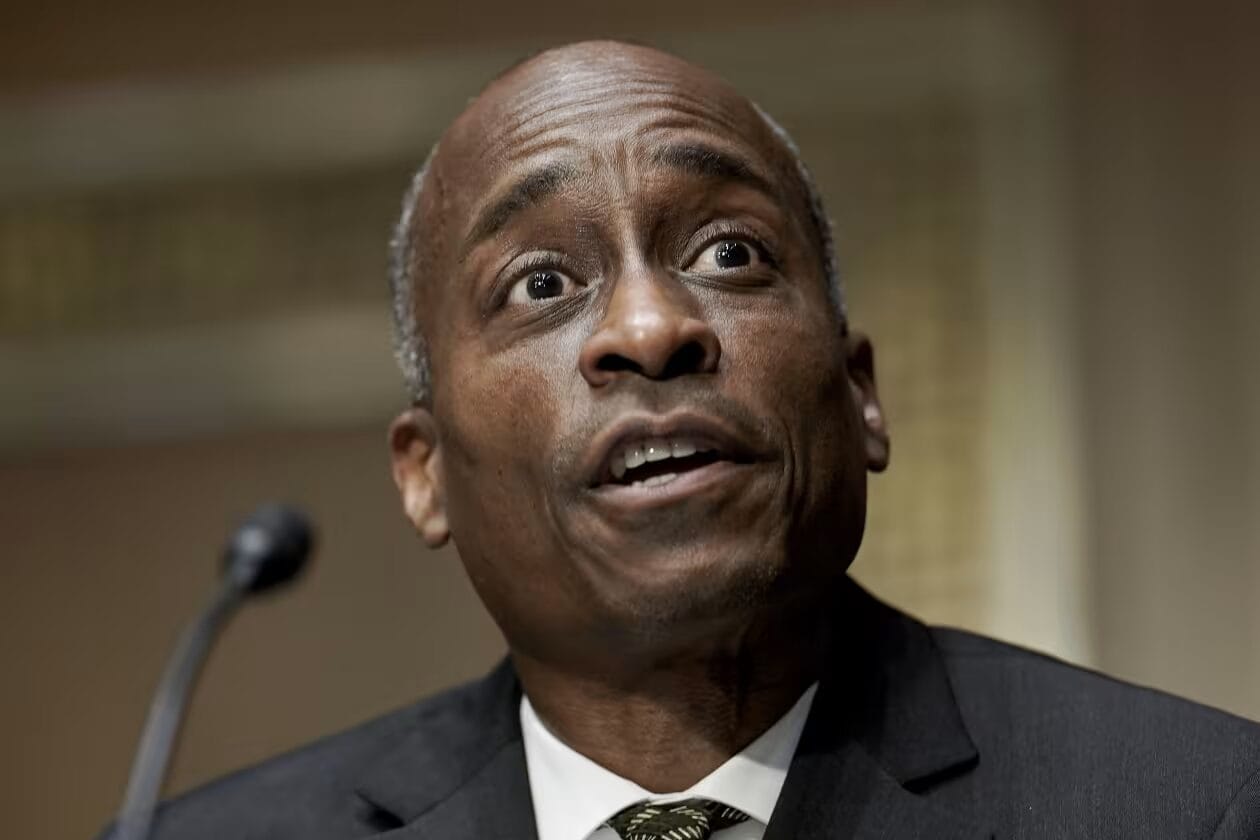
Fed discount window modernization is making emergency bank liquidity faster to access and could reduce forced sales of Treasury securities during market stress, Vice Chair Philip Jefferson said Tuesday.
Jefferson said more than 60% of discount-window loan requests are now submitted through Discount Window Direct, the Federal Reserve’s online portal. The system allows banks to request loans, make payments and review collateral information without relying solely on telephone processing.
Fed Discount Window Modernization Targets Faster Liquidity
In his official remarks at the U.S. Treasury Market Conference, Jefferson described three areas of work: improved business processes, greater automation and closer coordination with the Federal Home Loan Banks.
The reserve banks recently simplified the process for banks to pledge eligible loans while keeping possession of the underlying documents. Changes include standardized forms, automated collateral lists and centralized information resources across the 12 districts.
The Fed is also working with the Home Loan Bank system to reduce delays when collateral must move between liquidity providers. Jefferson said faster reallocation has become more important because deposits and other funding can shift quickly during periods of stress.
Treasury Collateral Links the Window to Market Stability
Banks can transfer Treasury securities held in Fedwire accounts to discount-window pledge accounts and, where arrangements are already in place, receive a same-day loan. That option can allow an institution to raise cash without selling securities into a falling market.
Jefferson pointed to March 2020, when banks sharply increased the amount of Treasury collateral pledged to the Fed as the government-bond market came under severe pressure. He said the window can also complement standing repo operations when short-term funding rates rise temporarily.
Ready access also depends on preparation before a crisis. Banks must establish legal documents, test borrowing procedures and position enough collateral so that operational delays do not prevent them from obtaining liquidity when markets are moving quickly.
The speech did not signal a change in monetary policy or discount rates. The next operational tests will be broader bank adoption, continued coordination with the Home Loan Banks and the system’s performance during a future liquidity shock.
