


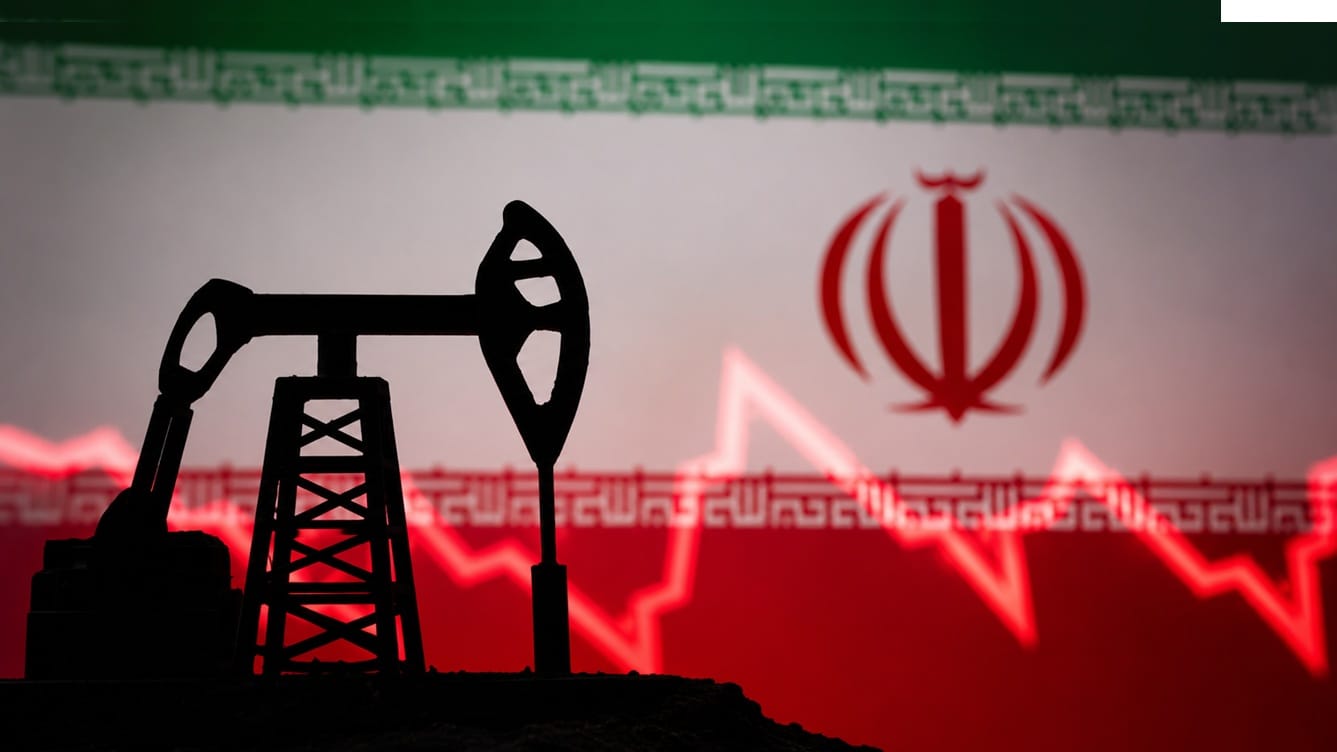
Energy industry experts say that even if the Strait of Hormuz reopens, high oil prices could persist through the end of summer.
Bob McNally, President of Rapidan Energy, says that even if the Strait of Hormuz reopens in the near future, U.S. consumers should be prepared for high oil and gasoline prices through the end of summer. According to McNally, critical buffers—including the U.S. Strategic Petroleum Reserve, which is seen as a “shock absorber” for the global energy market—are rapidly depleting.
According to data from the U.S. Energy Information Administration, oil supplies fell by an additional 7.9 million barrels during the period of May 29–June 5. McNally said that if a lasting agreement cannot be reached between the U.S. and Iran, oil prices could rise to $115 per barrel, while gasoline prices in the U.S. could reach a new high of $5 per gallon.
Although oil prices have fallen slightly recently, McNally thinks that the war has already caused a loss of over 1 billion barrels of oil. The reopening of the Strait of Hormuz, through which approximately one-fifth of the world’s oil traffic passes, is seen as critical for ending one of the largest oil supply disruptions in history.
Meanwhile, former Israeli Ambassador to the U.S. Aaron Pincus noted that Iran has emerged stronger and more confident in the post-war period, saying that the regional balance has shifted against Israel. Pincus thinks that as of June 2026, Iran’s geopolitical power has increased significantly compared to February 28, when the war began, and that the war has altered regional balances.
According to Pincus, Iran not only attacked Gulf countries but also created a divide in relations between Israel and the U.S. The former ambassador stated that it is not yet clear how the post-war power balance between Israel and Iran will take shape, but that it will be different from the situation in February and more unfavorable for Israel.
