


Apple (NASDAQ: AAPL) shares came under pressure on Monday after Jefferies downgraded the stock, citing concerns that the company has abandoned a major iPhone redesign that could have supported higher pricing and margins in the coming years.
Jefferies analyst Edison Lee lowered his rating on Apple to Underperform from Hold and cut his price target to $263.66 from $285.56, placing his target among the lowest on Wall Street.
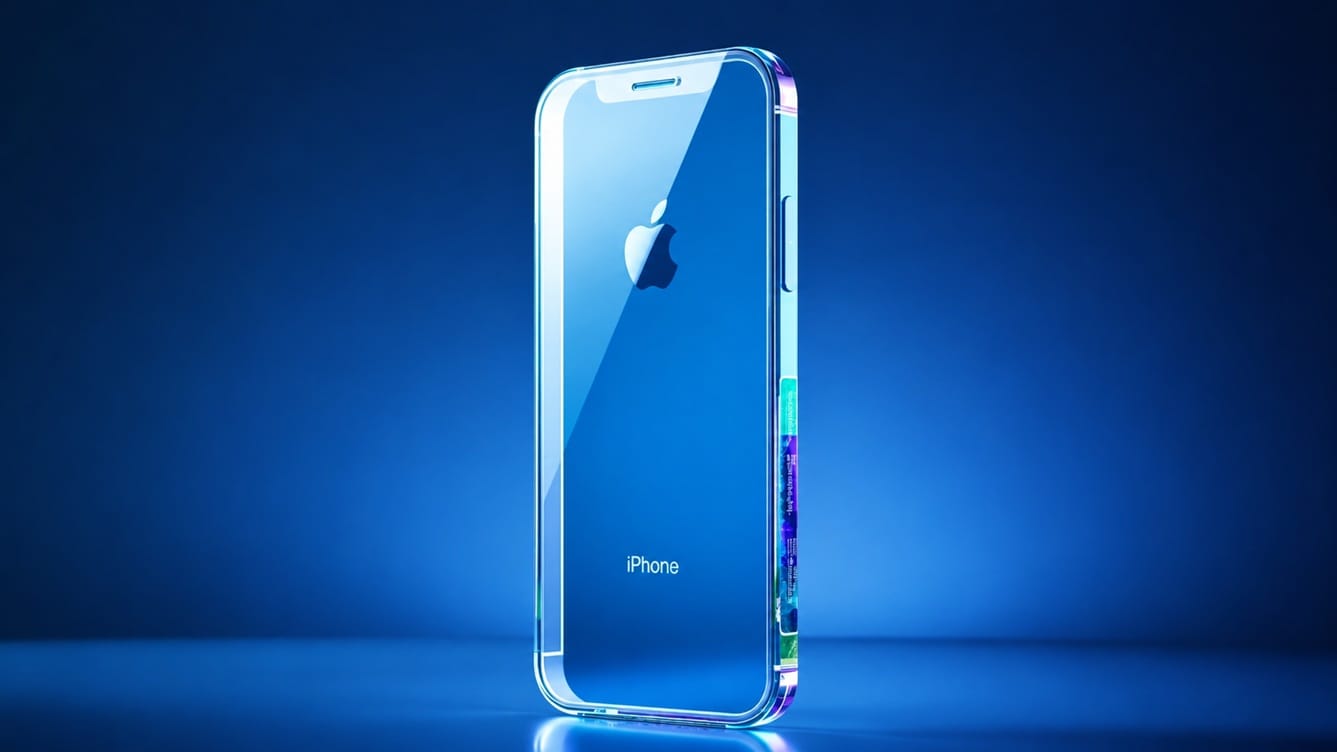
The downgrade is centered on what Lee believes is the cancellation of the company’s long-rumored all-glass iPhone, a product that had been viewed as a potentially significant redesign for the iPhone’s 20th anniversary in 2027.
Jefferies Says Apple Scrapped All-Glass iPhone Over Production Problems
Apple has never officially confirmed development of an all-glass iPhone, although reports surrounding the project date back several years. The company also filed a patent application in 2019 describing a “six-sided glass enclosure,” adding to speculation that such a design was being explored.
Jefferies had previously considered the launch of an all-glass iPhone plausible, but Lee now believes the project has been discontinued.
According to supply-chain checks cited by the analyst, the company abandoned the device because of poor production yields, meaning manufacturers were unable to consistently produce enough defect-free units to make the design commercially viable.
Lee described the apparent cancellation as a major setback for Apple’s efforts to introduce more expensive iPhone models at a time when memory and other component costs are rising.
The proposed device had reportedly been considered for a September 2027 launch, marking the 20th anniversary of the original iPhone.
Jefferies estimated that the model could have carried a blended retail price of around $2,060, potentially making it the most expensive mainstream iPhone the company had ever introduced.
Higher-End iPhone Strategy Could Face Pressure
The importance of the project may have extended beyond a single anniversary model.
Lee said Apple could eventually have incorporated some of the all-glass design elements into future iPhone Pro and Pro Max devices, potentially allowing the company to increase average selling prices and improve profit margins across its premium smartphone lineup.
Without such a redesign, Jefferies believes Apple may have fewer opportunities to meaningfully raise iPhone pricing while simultaneously dealing with higher memory costs.
That could become increasingly important as smartphone manufacturers expand the hardware required to support artificial intelligence features running directly on devices.
Apple Intelligence Rollout Raises Questions Over Memory Upgrades
Jefferies also expressed caution regarding Apple’s artificial intelligence strategy.
Supply-chain checks suggest the company is considering increasing the memory capacity of the iPhone 19 Pro Max, expected in 2027, to 16GB from 12GB.
More memory would give future iPhones greater capacity to run sophisticated AI models locally rather than relying entirely on cloud computing.
However, Lee argued that the relatively slow rollout of Apple Intelligence could make it harder for the company to justify the added cost of equipping devices with significantly more memory.
The issue adds another potential margin pressure for Apple as component costs increase while the company looks for ways to differentiate future iPhones.
Apple Shares Fall as Investors Reassess Growth Outlook
Apple shares fell 2.3% on Monday as the Nasdaq Composite traded slightly lower.
Despite the decline, the company’s stock had gained more than 15% in 2026 heading into the session, slightly outperforming the broader technology-heavy index.
Momentum weakened following the company’s fiscal third-quarter earnings report, which disappointed investors and triggered a sharp selloff.
The decline erased roughly $359 billion from Apple’s market capitalization and allowed Nvidia to surpass the iPhone maker as the world’s most valuable publicly traded company.
Jefferies’ downgrade adds another source of pressure for the company’s investors, with the firm’s outlook suggesting that the cancellation of a major iPhone redesign, rising component costs and uncertainty around Apple Intelligence could make it more difficult for the company to expand hardware margins over the next several years.
