


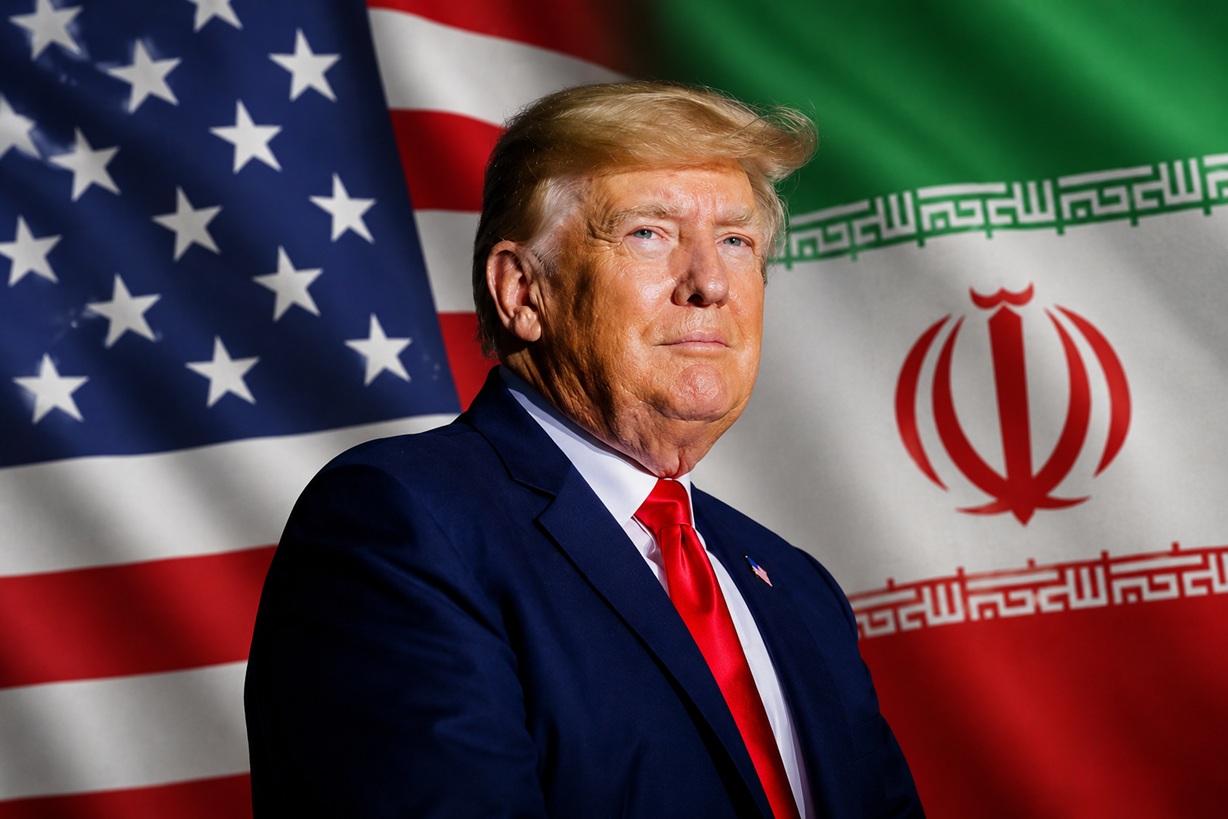
U.S. President Donald Trump said he would not rule out meeting Iran’s new Supreme Leader if Washington and Tehran ultimately reach a nuclear agreement, as diplomatic efforts between the two countries continue alongside broader regional ceasefire negotiations.
Trump Rules Out a Ground Operation in Iran, Citing the Risks
Trump reiterated that the United States would never allow Iran to obtain nuclear weapons. He also claimed that previous U.S. strikes on Iranian nuclear facilities had “completely destroyed” those sites. According to Trump, the U.S. had considered deploying troops to Iranian nuclear facilities to remove enriched uranium but ultimately abandoned the idea due to concerns over casualties and the risks associated with a prolonged ground operation.
Trump said such a mission would have required one to two weeks to complete and involved significant heavy equipment, logistics support, and airlift capabilities, making it a high-risk undertaking for U.S. forces.
The U.S. president also addressed ongoing tensions in the Middle East, saying negotiations related to Lebanon and Israel have made progress despite earlier resistance from the Lebanese militant group Hezbollah to a U.S.-backed peace proposal. Donald Trump said parties involved in the conflict had proactively contacted Washington regarding a potential ceasefire.
“They called us and asked if it was possible to stop the conflict,” Trump said, adding that he had discussed the matter with Israeli Prime Minister Benjamin Netanyahu and had also been in contact with Hezbollah representatives.
Officials and representatives linked to Iran continued to outline conditions for a broader settlement. The Islamic Revolutionary Guard Corps stated that Lebanon’s minimum demand is for Israel to restore borders to their pre-war status and argued that a ceasefire across all fronts, including Lebanon, is a prerequisite for ending hostilities involving the United States.
Meanwhile, an adviser to Iran’s Supreme Leader criticized the current draft proposal under discussion, arguing that Donald Trump was attempting to pressure Iran into accepting U.S. terms while leaving Iranian demands insufficiently defined. The adviser said the draft agreement would need further clarification.
Iranian Foreign Minister Abbas Araghchi urged regional countries not to allow the United States to use their territory for attacks against Iran. Araghchi added that while Iran possesses the capability to sustain a military conflict, it does not seek war.
Donald Trump: Military Operations Against Iran Will Resume If U.S. Troops Are Killed
Trump also reportedly informed mediators that the United States would not release funds to Iran until a formal agreement is signed. He further warned that any attack resulting in the deaths of U.S. troops would be sufficient grounds for restarting military operations.
Israel began withdrawing troops from the southern Lebanese town of Debin, while reports indicated that Israeli forces conducted airstrikes on the city of Tyre. The Israeli military also reported rocket fire from Hezbollah targeting Israeli forces operating in southern Lebanon, triggering warning sirens in northern Israel.
According to U.S. officials cited by regional media, shipping lanes in the Strait of Hormuz remain open, and roughly 1,000 vessels have transited the route since a ceasefire arrangement with Iran was reached on April 8.
Arab media outlets reported that discussions over the release of frozen Iranian funds have entered their final stages. Hezbollah, however, rejected what it described as the outcome of direct Lebanon-Israel negotiations and reiterated that its priority remains achieving a comprehensive ceasefire.
