


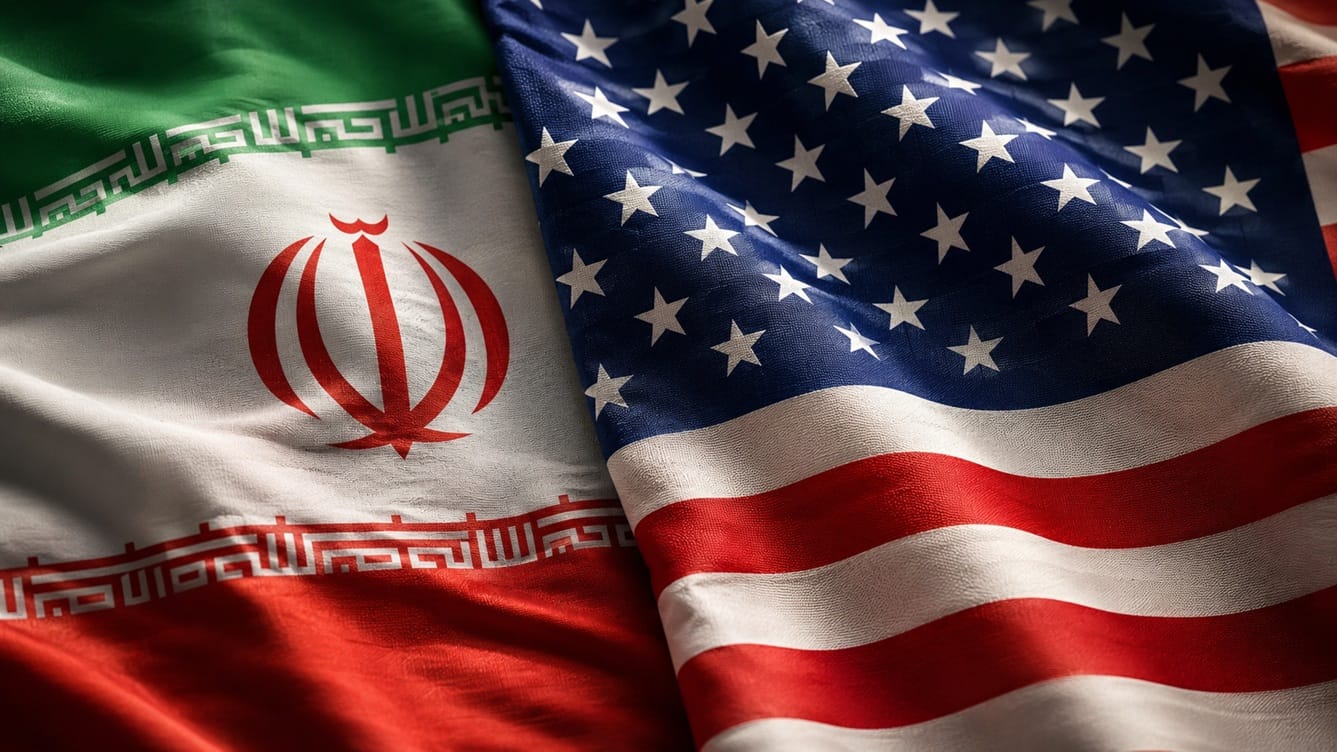
U.S. President Donald Trump’s remarks that the possibility of a global economic collapse played a significant role in his decision to sign a temporary peace agreement with Iran have exposed a weakness for Washington ahead of the new round of negotiations.
While Trump’s apparent reluctance to reignite military tensions has eased the pressure on Iran to reach a quick agreement, analysts believe the pressure on the U.S. could intensify further. According to analysts, Tehran has recognized that the Trump administration—aware that a new military conflict could trigger serious turmoil in the global economy—is keeping its distance from that option.
Americans believe that war with Iran will have severe consequences
Within the U.S., the possibility of a war with Iran does not enjoy strong public support. According to a poll conducted by the University of Maryland, 56 percent of Americans believe that a war with Iran would yield more negative than positive outcomes for U.S. interests.
Former U.S. State Department official Chris Kennedy thinks that the 14 points in the memorandum of understanding generally place Iran in a more advantageous negotiating position on the nuclear issue. While noting that the 60-day negotiation period initially envisaged in the agreement is “extendable,” this was interpreted to mean that the talks could last for months.
Former U.S. Treasury official Miadews Maliki, on the other hand, believes that the current situation is more advantageous for Iran than for the U.S. Maliki noted that Iran should not be expected to abandon its nuclear program in exchange for the sanctions exemptions it has already secured, adding, “The U.S. can still escalate military tensions, but it has weakened its economic leverage precisely when it needs it most.”
