


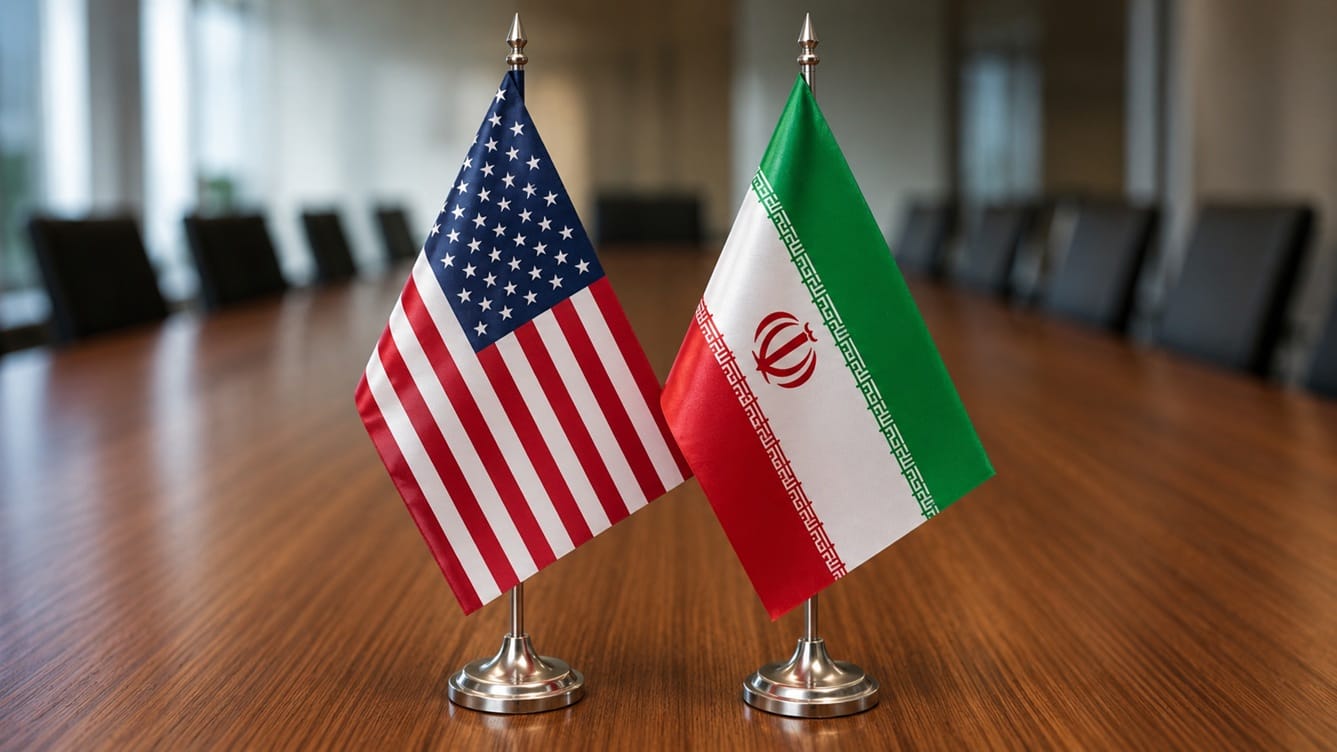
A new phase is beginning in the diplomatic talks between the U.S., Iran, and Pakistan to be held in Switzerland. According to reports from Saudi Arabia-based Hadas and Al Arabiya, the parties have begun bilateral and trilateral talks. Iran announced that the first round of official negotiations will take place at 12:30 p.m. London time.
In addition to Iran’s negotiating delegation, U.S. Vice President JD Vance, the Prime Minister of Pakistan, and the Chairman of the Joint Chiefs of Staff are reported to be participating in the talks. Media reports indicate that the talks in Switzerland will begin at a technical level, with the main agenda items being Iran’s nuclear program and the future of the ceasefire in Lebanon.
Earlier statements by U.S. Vice President Vance indicated that the nuclear issue and the sustainability of the ceasefire in Lebanon were at the center of the talks between Washington and Tehran. Iranian officials, however, stated that the Tehran delegation’s top priority was ending the hostilities in Lebanon.
The parties’ return to the negotiating table came at a time when mutual accusations of violations were ongoing. While Iran views Israel’s attacks in Lebanon as a breach of the agreement, the US side reportedly interprets Tehran’s statements regarding the closure of the Strait of Hormuz as a step contrary to the agreement.
According to Sina Azodi, Director of the Middle East Studies Program at George Washington University, the reason Washington and Tehran returned to the table despite all the mutual accusations is that both sides have an interest in ending the conflict. Azodi added that Iran wanted to use these talks to test whether the U.S. could rein in Israel and halt the fighting in Lebanon.
Tensions in the region had been running high ahead of the negotiations. Yesterday, one of the Iranian Supreme Leader’s advisors said that if the agreement remained merely on paper, energy flows in the Middle East would continue to be disrupted. The Iranian Revolutionary Guard Corps Navy also announced that the Strait of Hormuz had been closed to maritime traffic, citing Israel’s actions in Lebanon and the U.S.’s failure to fulfill its commitments.
The U.S. Central Command, however, refuted this statement, arguing that Iran does not have control over the Strait of Hormuz. U.S. President Donald Trump also praised the results of the war against Iran, stating that Iran had been “completely defeated” and that the U.S. is no longer weak.
