


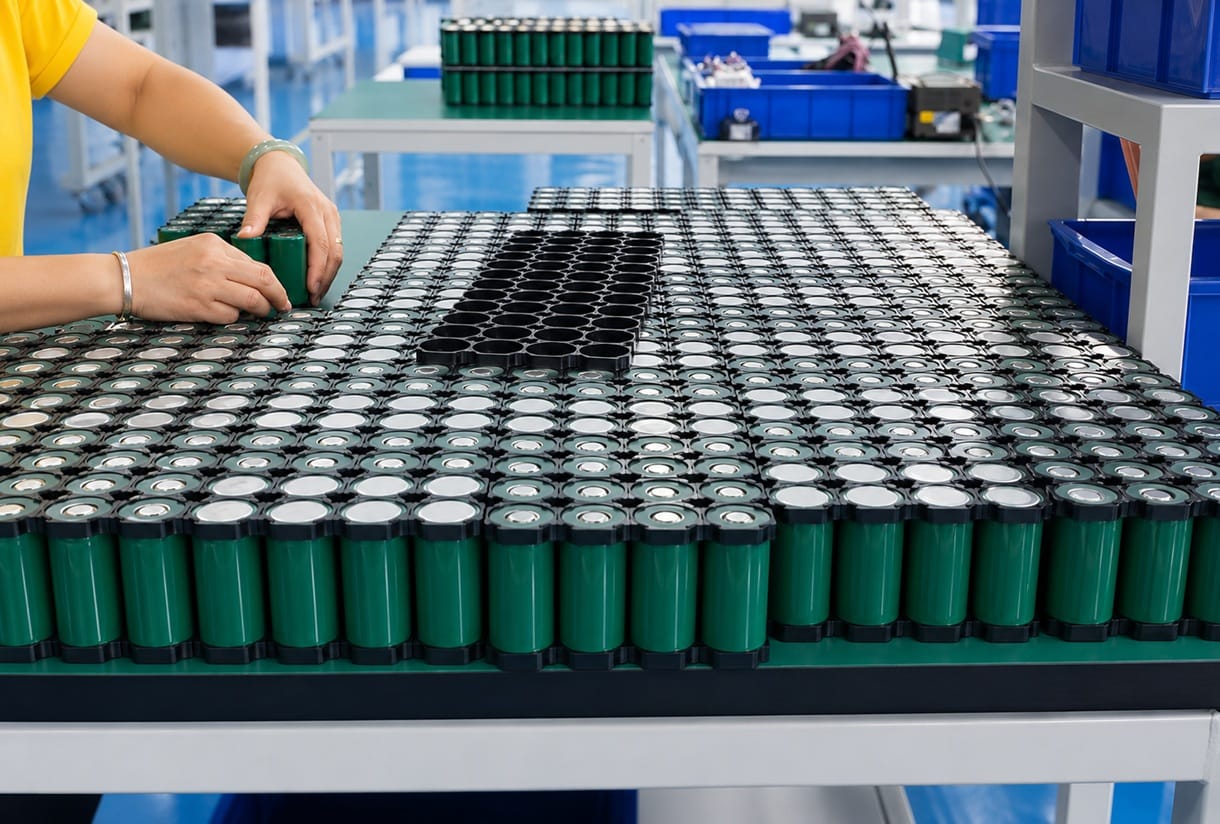
Lithium iron phosphate (LFP) and iron phosphate—which are among the critical raw materials for electric vehicles and energy storage batteries—have seen sharp price increases this year. Yet demand in the sector is reported to remain strong.
Market data shows that the price of a 400-kilogram bag of lithium iron phosphate has risen to over $3,500. The price of the same product was around $1,400 about a year ago. This means the price of lithium iron phosphate has more than doubled in a year.
This strong demand is also reflected in producers’ inventory and shipping operations. Reports indicate that at a lithium iron phosphate production facility, not only have new shelves been added to the finished goods warehouse, but the floors are also filled with products. More than 90 percent of the company’s production is supplied to leading new energy vehicle manufacturers, and this segment has become the primary driver of order growth over the past year.
The company’s representatives have stated that strong growth in exports of new energy vehicles and energy storage products has boosted demand for lithium iron phosphate. This increase in demand is cited as one of the main reasons for the current price hike.
Not only final demand but also raw material costs on the upstream side are contributing to the price increase. Lithium iron phosphate production primarily uses a mixture of iron phosphate, lithium carbonate, and glucose.
While iron phosphate accounts for approximately 30 percent of total raw material costs, price increases for these inputs are noted to have driven up LFP production costs.
