


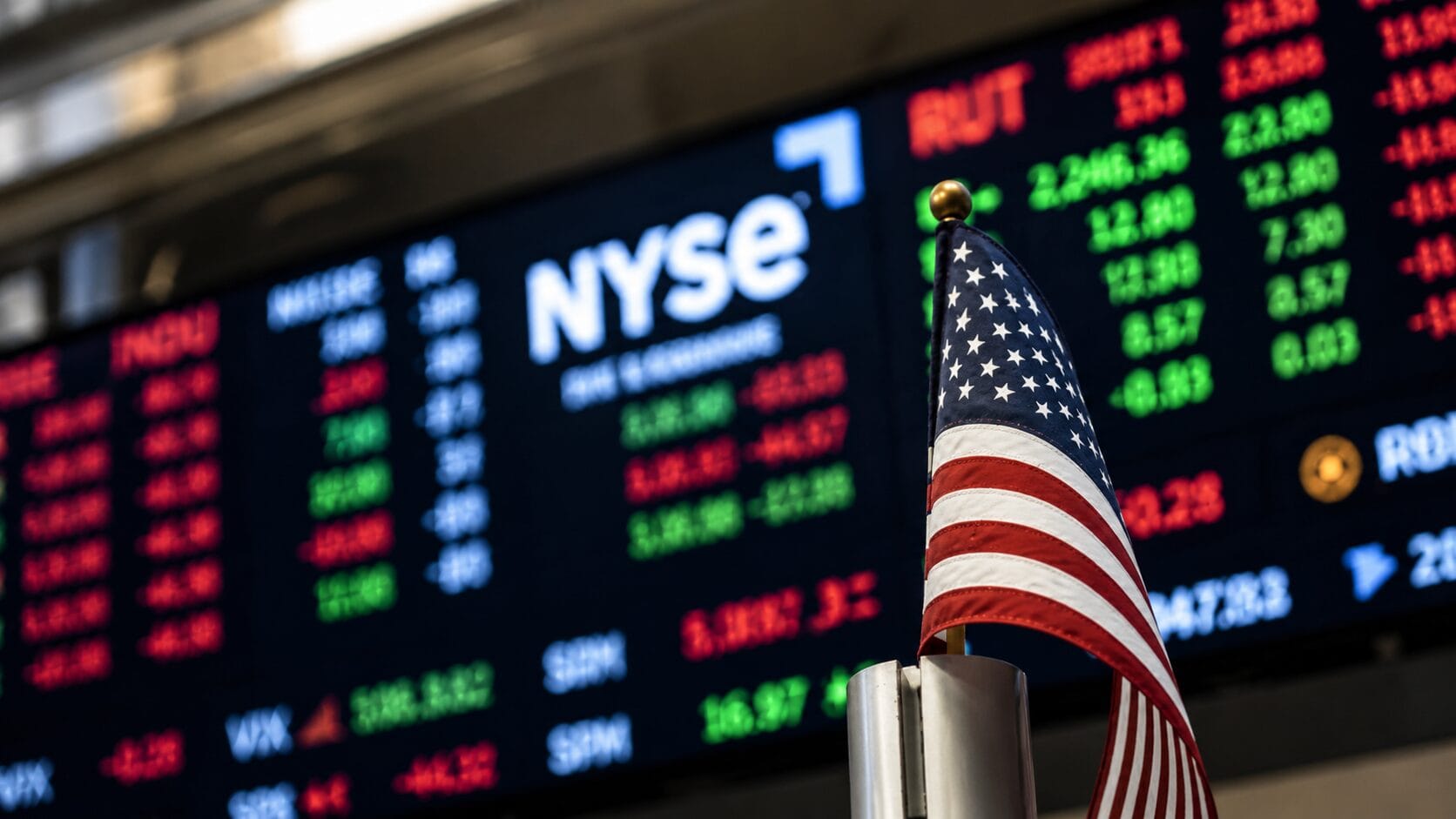
The Cboe Volatility Index, Wall Street’s closely watched “fear gauge,” has fallen to its lowest level of the year even as strategists warn that U.S. equities may be entering a historically difficult seasonal period.
The VIX declined to around 14.2, while the S&P 500 has gained roughly 16% so far in 2026. Equity funds have recorded net inflows for 12 consecutive weeks, helping U.S. stocks advance for three straight weeks and repeatedly reach record highs.
Despite the strong momentum, several market strategists are warning that exceptionally low volatility, stretched equity positioning and a seasonally weak period could leave stocks vulnerable to a sharper pullback.
VIX Falls as Investor Confidence Builds
The decline in the VIX reflects a significant reduction in demand for near-term equity protection.
Susquehanna described the reset in volatility as substantial, although two-month implied volatility has begun to edge higher again, reaching approximately 13.5%.
The broader market backdrop remains supportive. Persistent equity fund inflows and strong index performance suggest investors continue to favor risk assets despite geopolitical and economic uncertainties.
However, low volatility itself is increasingly becoming a concern for strategists who argue that markets may be underpricing the possibility of negative surprises.
BTIG Flags Unusually Calm Market Breadth
Jonathan Krinsky, chief market technical strategist at BTIG, highlighted the lack of major downside breadth events during the current market cycle.
According to Krinsky, the market has not experienced a session since last October in which declining stocks accounted for at least 80% of total trading volume.
Historically, such broad sell-offs occur around 21 times per year on average, and there has never been a calendar year with fewer than five such events.
The unusually long period without a major downside breadth shock suggests that the market has experienced an exceptionally smooth advance.
That calm, however, may also mean investors have become less prepared for a sudden deterioration in risk sentiment.
Mid-August to October Has Historically Been a Difficult Period for S&P 500
Seasonality is another factor driving caution.
Wall Street strategists commonly view the period from mid-August through mid-October as one of the more volatile stretches of the year.
BTIG’s historical analysis indicates that in every U.S. midterm election year since 1990, the equal-weighted S&P 500 has suffered a pullback of at least 7% between its average August 18 high and mid-October.
That historical pattern is attracting greater attention because the market is entering the period with major indexes near record highs and the VIX close to its lowest level of 2026.
“We are in a window of opportunity historically prone to downward volatility, and the starting point for this period is the historical high and the VIX’s year-to-date low,” Krinsky said.
He suggested investors consider reducing risk exposure or hedging broad equity positions rather than assuming the recent low-volatility environment will persist.
Economic Signals Add to Concerns
Strategists are also pointing to signs that the economic backdrop may be less supportive than equity prices imply.
July retail sales unexpectedly declined 0.6%, raising concerns that U.S. consumers are beginning to feel greater financial pressure.
At the same time, long-term U.S. Treasury yields remain near cyclical highs, highlighting a contrast between tighter financial conditions and the optimism reflected in equity valuations.
BTIG analyst Axel Rudolph also pointed to continued geopolitical uncertainty, including tensions in the Middle East and around the Strait of Hormuz, even as overall market volatility has declined.
The divergence suggests that markets may be discounting a range of risks that could quickly return to focus if new negative catalysts emerge.
Wall Street Warns Against Complacency
The central concern among cautious strategists is not that a sell-off is inevitable, but that the market’s current setup leaves relatively little room for disappointment.
Low volatility, record equity prices and sustained inflows can reinforce bullish momentum, but they can also leave positioning vulnerable when sentiment shifts.
Krinsky warned investors against becoming complacent heading into what has historically been one of the weakest stretches of the midterm-election calendar.
Rudolph similarly argued that investors may be underestimating how sensitive the current rally is to adverse developments.
With the VIX near yearly lows and equity markets at records, the coming weeks could provide an important test of whether the 2026 rally can withstand seasonal weakness, elevated bond yields and lingering geopolitical risks.

1 Comment
Pingback: Cboe Extends Exclusive S&P 500 Options License Through 2051