


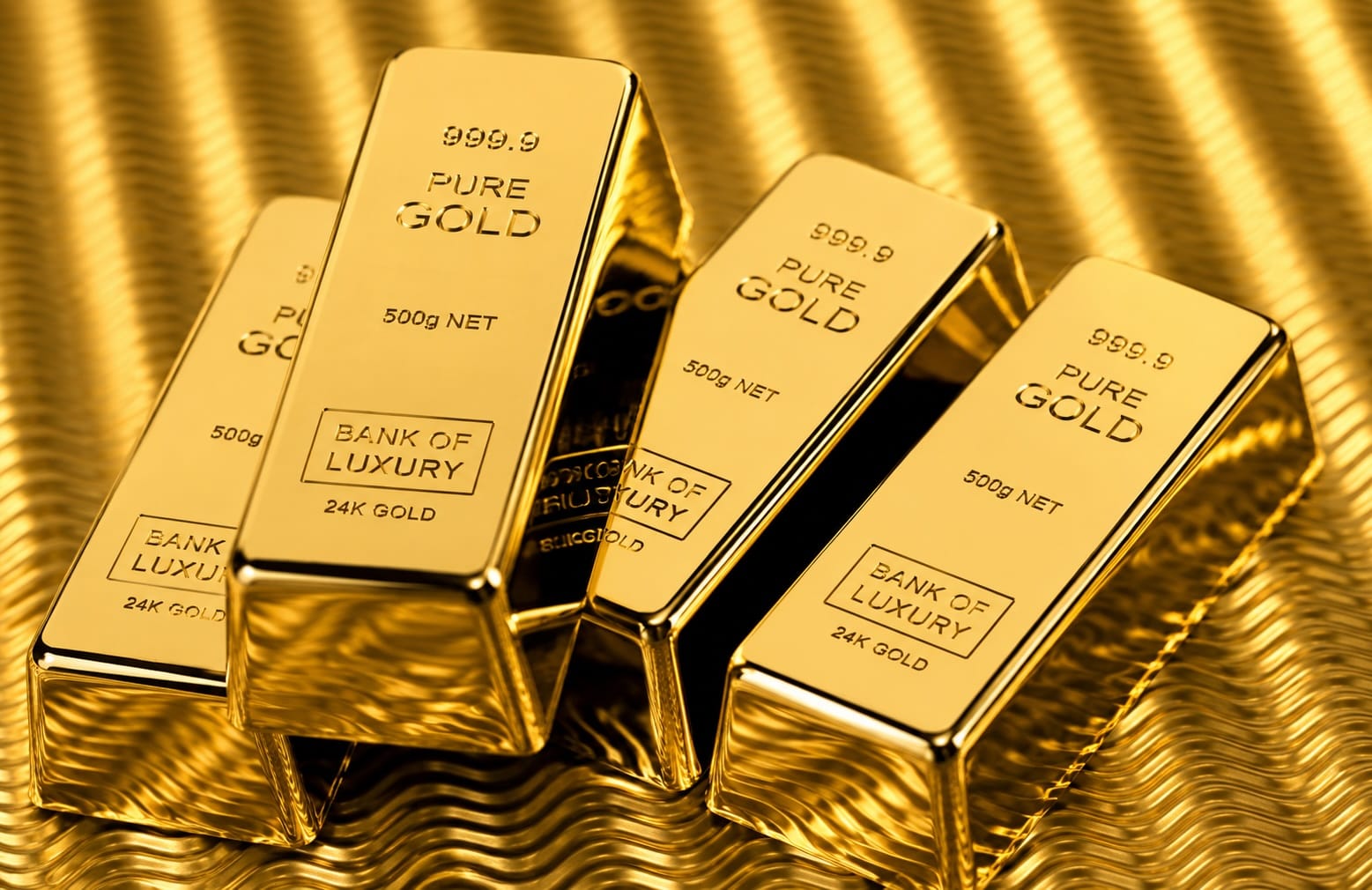
After reaching record highs at the end of January, gold prices continued their downward trend and accelerated their decline in June as the likelihood of a rate hike by the U.S. Federal Reserve (Fed) increased. Thus, gold has given back a large portion of the gains it had made since the beginning of the year.
Analysts point out that despite the recent pullback, global central banks’ interest in purchasing gold has not waned. While the share of gold in official reserve assets continues to rise, central banks’ reserve diversification strategies continue to provide long-term support for the precious metal.
According to market experts, the surge in energy prices triggered by tensions between the U.S., Israel, and Iran has put pressure on prices by fueling inflation expectations rather than reinforcing gold’s traditional safe-haven status. Growing inflation concerns have bolstered investors’ expectations that the Fed may adopt a tighter monetary policy.
In the short term, a stronger US dollar and rising US Treasury yields are increasing the opportunity cost of holding gold, which offers no yield. It is noted that this situation could lead to continued downward pressure on gold prices.
However, experts believe that gold will maintain its supportive factors in the medium and long term. Global central banks’ continued addition of gold to their reserves, the restructuring process within the international reserve system, and ongoing safe-haven demand are considered to be among the key factors supporting the long-term outlook for gold prices.
