


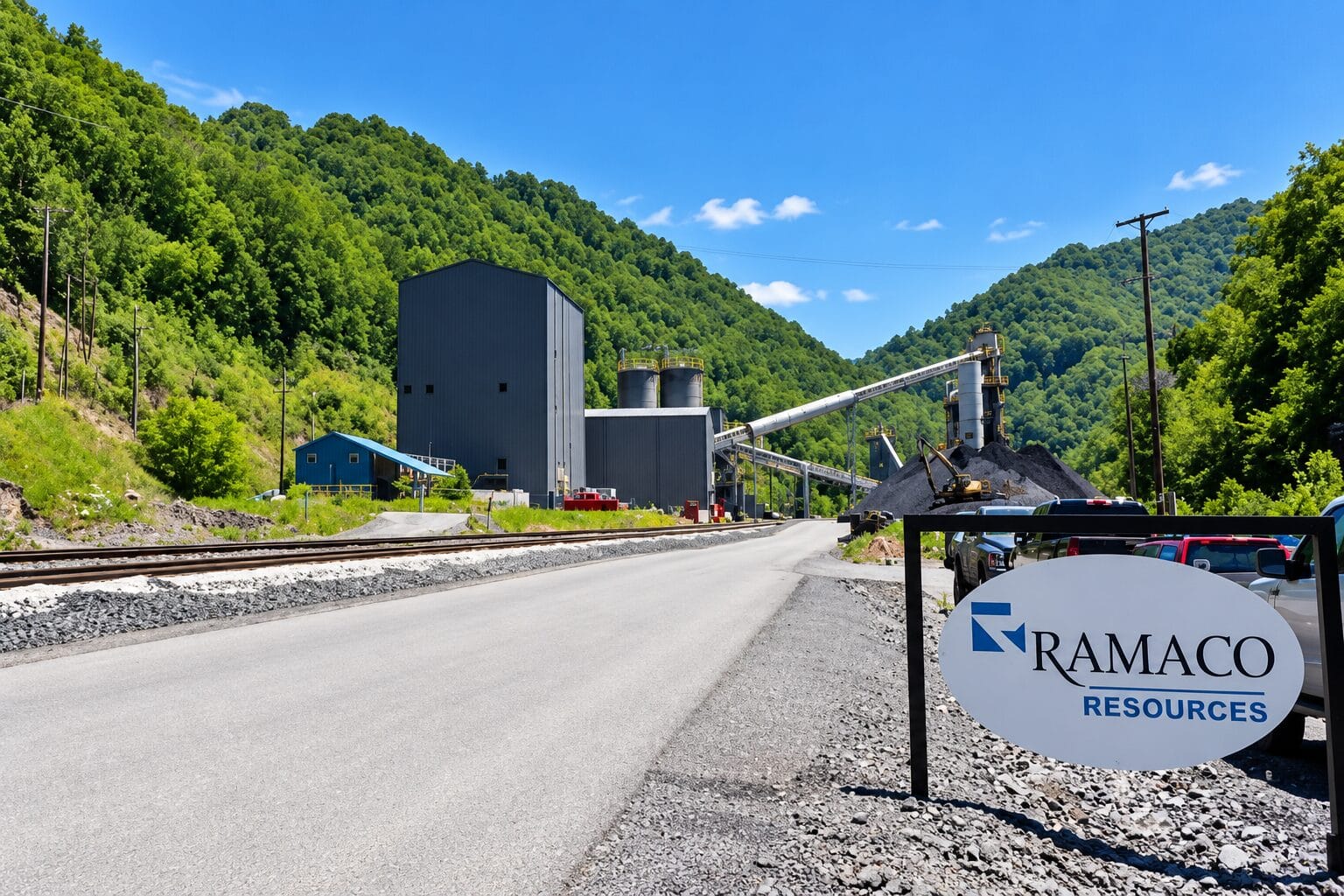
A federal jury awarded a Ramaco Resources subsidiary $30 million in the Ramaco insurance verdict arising from a 2018 structural failure at the company’s Elk Creek coal-processing plant.
Ramaco Resources (NASDAQ: METC, METCB) said the award includes $27.5 million for net economic loss and $2.5 million for aggravation and inconvenience. A federal court entered judgment on September 25.
Ramaco Insurance Verdict Follows a Seven-Year Dispute
The case began after a partial failure of a raw-coal storage silo in November 2018. Ramaco’s subsidiary filed suit in August 2019 after Federal Insurance and ACE American Insurance, both Chubb units, denied coverage, according to the company’s official SEC-filed announcement.
The latest trial addressed damages after earlier proceedings over whether the event was covered. The jury applied a preponderance-of-the-evidence standard and resolved two of the three damage categories.
Attorney’s fees remain outstanding and will be determined by the court. That means the $30 million award is not necessarily the final amount associated with the case.
Post-Trial Motions and an Appeal Remain Possible
The defendants can file post-trial motions within 28 days of the judgment. They will also have 30 days after final judgment to file a notice of appeal, creating uncertainty over the timing and amount of any cash recovery.
A jury award does not immediately translate into recognized cash proceeds. Accounting treatment will depend on applicable rules, the status of any appeal and the probability of collection.
Ramaco did not state when the award might be collected or how it expects to reflect the judgment in its financial statements.
The dispute relates to Ramaco’s metallurgical-coal operations rather than the company’s separate development plans for rare-earth and critical-mineral resources. The economic-loss component reflects harm the subsidiary said resulted from the denied insurance claim.
The court’s decision on legal fees and any post-trial motion will be the next procedural steps. An appeal by the insurers could extend the litigation even after the current judgment, while a settlement could resolve the amount and payment timing sooner.
