


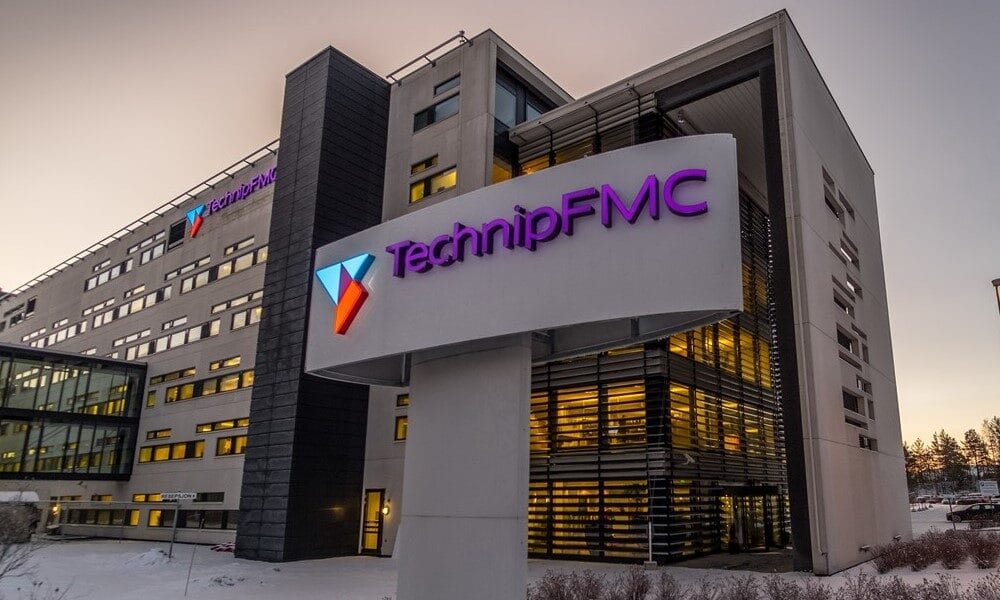
The TechnipFMC PETRONAS contract covers integrated engineering, procurement, construction and installation work for the Limbayong deepwater project offshore Malaysia. TechnipFMC (NYSE: FTI) classified the award as significant, a category it defines as worth between $75 million and $250 million.
The contract was awarded to TechnipFMC subsidiary FMC Wellhead Equipment Sdn. Bhd. by PETRONAS Carigali. The award is expected to be recorded in TechnipFMC’s inbound orders during the third quarter of 2026.
TechnipFMC PETRONAS Contract Uses Integrated Subsea Model
The project will use TechnipFMC’s Subsea 2.0 configure-to-order platform together with its integrated iEPCI execution model. Combining design, equipment supply and offshore installation under one scope is intended to reduce interfaces and shorten the development cycle for the fast-track project.
TechnipFMC publishes contract developments through its official media and press-release platform. The company disclosed the value range associated with its classification but did not provide the exact contract amount, project timetable or expected revenue schedule.
Limbayong is a greenfield deepwater development, making schedule coordination and subsea-equipment delivery central to execution. Successful performance could reinforce TechnipFMC’s relationship with PETRONAS and support additional work in Malaysia’s offshore energy sector.
Integrated awards can improve planning because engineering and installation decisions are made within one project structure. They can also concentrate responsibility with the contractor, increasing the importance of cost control and timely delivery across each phase.
Backlog Contribution Supports Subsea Visibility
The TechnipFMC PETRONAS contract adds to a subsea business that has benefited from sustained offshore investment and increased use of integrated contracting. Recording the award as inbound orders will expand backlog, although revenue will be recognized over the life of the project as milestones are completed.
Investors will monitor manufacturing capacity, installation scheduling and project margins. Deepwater contracts can provide multi-year visibility, but they also carry execution risks related to engineering changes, vessel availability, supply chains and offshore conditions.
