


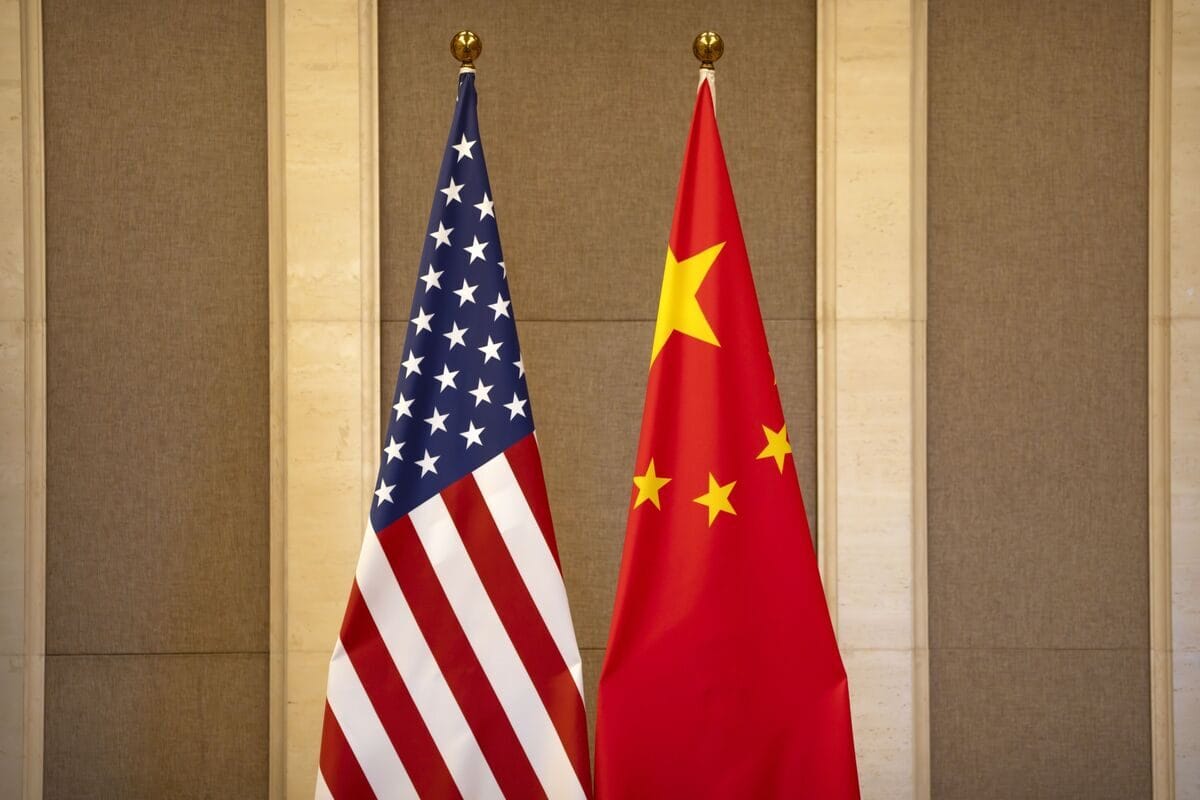
U.S.-China tariff recommendations covering $60 billion of two-way trade emerged from President Donald Trump’s state-visit talks, alongside a Chinese commitment to import at least 10 million metric tons of U.S. coal in both 2027 and 2028.
The two countries reached consensus on recommendations for more favorable treatment of $30 billion of goods moving in each direction. The recommendations are not yet the same as implemented tariff reductions, and the White House did not provide an effective date.
U.S.-China Tariff Recommendations Cover Consumer and Farm Goods
Potentially affected U.S. exports include agricultural products, fish and seafood, logs and wood products, cosmetics and medical devices, according to the White House fact sheet. Chinese goods under consideration include small appliances, toys, holiday decorations and child car seats.
The language matters for markets and importers because a policy recommendation can still require administrative action, product-level definitions and implementation guidance. Until those steps occur, companies cannot assume that existing tariff rates have changed.
Washington and Beijing also launched a working group on agricultural market-access barriers. Progress there could affect U.S. farm exports beyond the products included in the initial tariff recommendations.
Coal Commitment Adds an Energy Component
China’s pledge to purchase at least 10 million metric tons of U.S. coal in each of the next two years would create a defined trade flow if fulfilled. The commercial effect will depend on coal grades, contract prices, shipping costs and whether the volumes replace purchases from other suppliers.
The talks also established a Board of Investment and continued work on shortages involving rare earths and other critical minerals. Those materials remain central to technology, defense and clean-energy supply chains.
A separate “Super Intelligence Dialogue” is expected to hold its next exchange by November 2026, while the countries plan an incident-communication channel. The White House described these as mechanisms to manage strategic competition rather than a broad settlement of outstanding disputes.
Formal tariff notices, product lists and customs guidance are the next evidence needed to judge the trade impact. For now, the announcement signals negotiating progress while leaving the timing and legal force of the proposed relief unresolved.
