


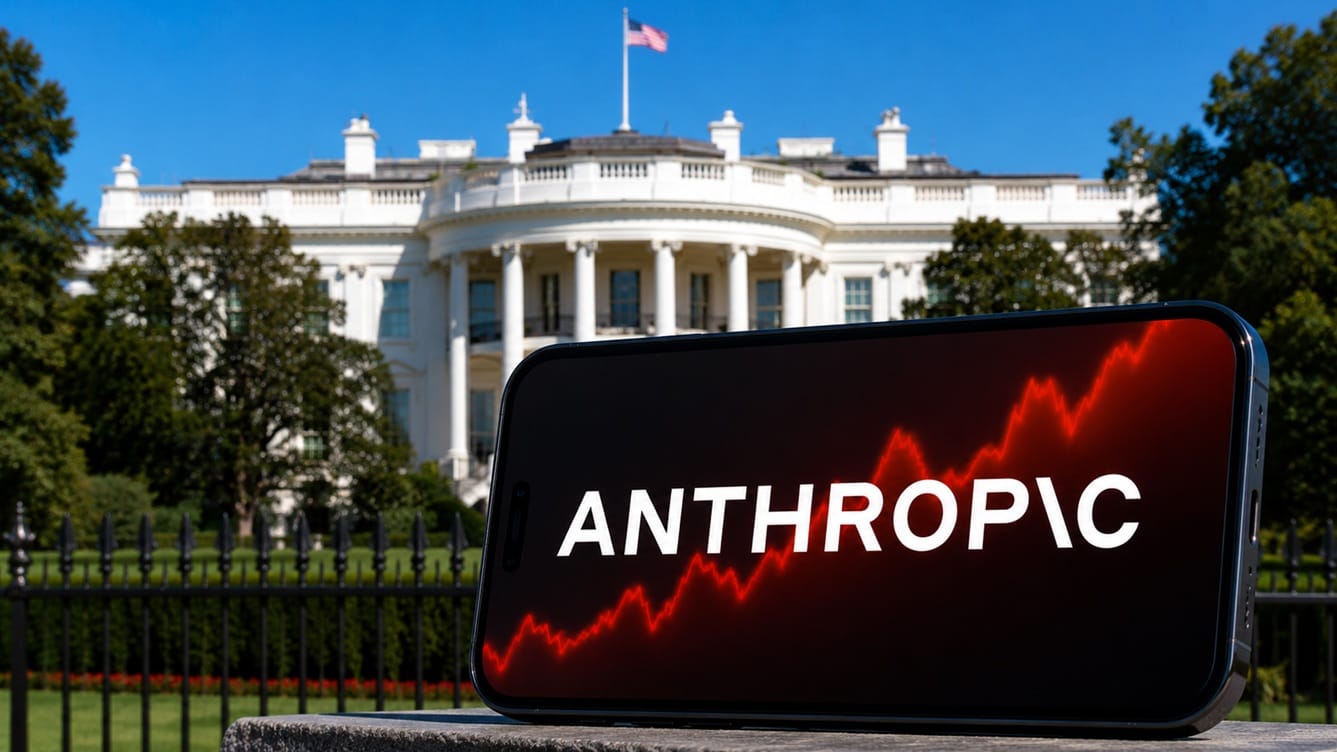
Artificial intelligence (AI) company Anthropic has reportedly pledged to work more closely with the White House to address safety concerns regarding powerful AI models.
Anthropic executives, in a proposal presented to U.S. Commerce Secretary Howard Lutnick, pledged to increase communication with the Trump administration to address the security concerns that led to restrictions on the company’s powerful models, “Mythos” and “Fable,” according to a report by The Washington Post.
Sources familiar with the matter said that as part of ongoing restructuring negotiations, Anthropic has committed to maintaining more regular contact with the White House and resolving any future security issues more quickly.
One source said that discussions between Anthropic and Trump administration officials are progressing well, but that there is no definitive timeline yet for a full resolution. Another source reported that, as of Thursday, the talks were being led by Anthropic co-founder and Chief Technology Officer Tom Brown and the company’s Director of Public Policy, Sarah Heck.
Meanwhile, it was reported that Amazon is also evaluating the sale of its in-house developed AI chips to other companies’ data centers to expand its activities in the AI infrastructure sector. This move is being interpreted as a way for the company to further intensify its competition against Nvidia’s dominance in the AI chip market.
Peter DeSantis, head of Amazon’s AI division, stated that AI infrastructure is evolving rapidly, adding, “We’re always looking for ways to serve more customers.”
Amazon launched its AI accelerator chip, Trainium, in 2020. These chips are currently being used by major companies such as OpenAI, Anthropic, and Uber through Amazon Web Services.
The company had announced in April that it had secured over $225 billion in revenue commitments for Trainium chips. That same month, Amazon CEO Andy Jassy stated that it was “entirely possible” for the company to sell complete chip cabinets to third parties.
DeSantis said that the third-generation Trainium chips, whose shipments began earlier this year, are “nearly sold out.”
