


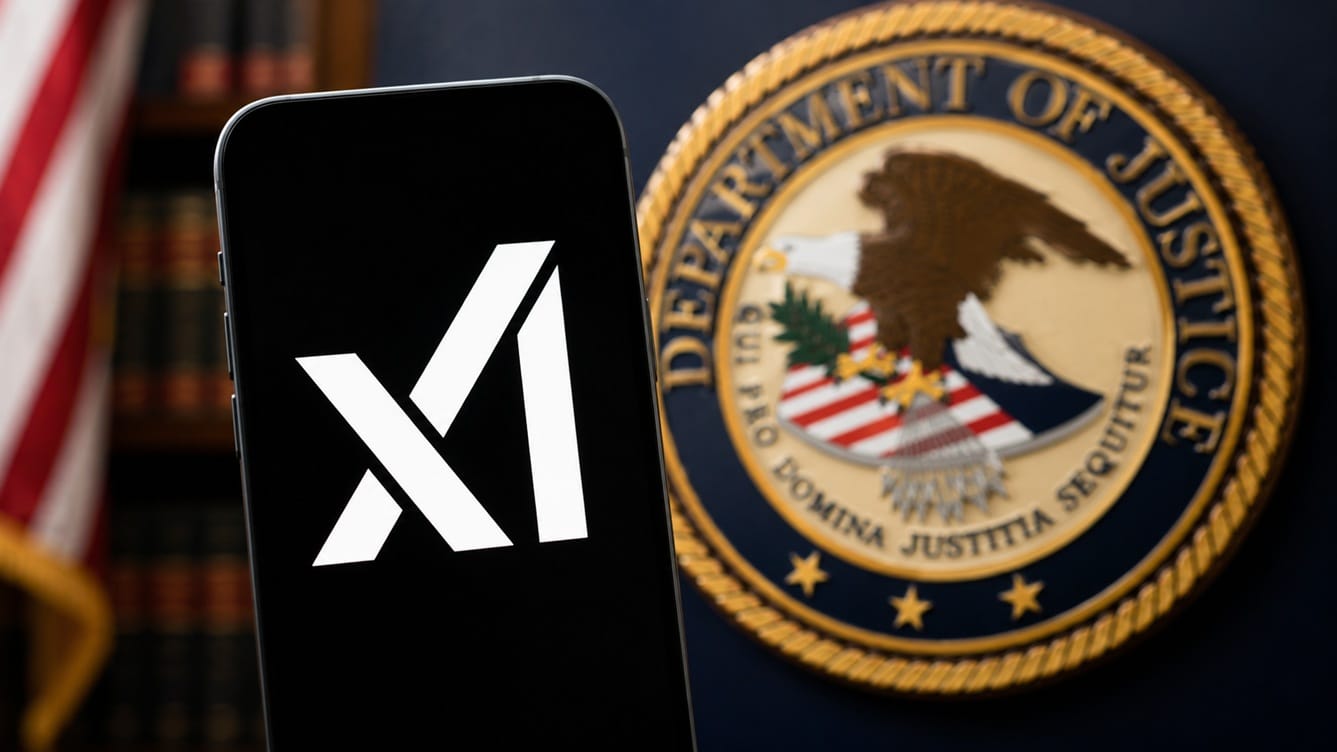
US Department of Justice has filed a motion with a federal court to intervene in a private lawsuit against Elon Musk’s artificial intelligence company, xAI, over emissions linked to its data centers, and to have the case dismissed.
In the motion filed by the Trump administration, it was claimed that the lawsuit brought by the NAACP should not be assessed solely under environmental law, but could also have critical implications for national security and executive authority.
In the lawsuit filed in Mississippi in April, the NAACP accused xAI and its affiliate, MZX Tech, of permit and emissions violations related to the gas turbines that power their AI data centers. The organization is asking the court to block xAI from operating the turbines that power its data centers.
The Department of Justice, however, argued that the federal government possesses broad authority to enforce environmental laws under the Clean Air Act. The Department contended that when lawsuits filed by citizens or civil society organizations seek penalties on behalf of the United States, the government has the authority to intervene in the process and terminate the lawsuit.
The filing also noted that Mississippi state regulators have not initiated any enforcement proceedings against xAI. The Department of Justice claimed that the fines and the suspension of turbine operations sought by the NAACP could threaten the United States’ national security and economic interests.
The Department also argued that since xAI’s Grok Gov model supports critical operations of the U.S. military, any disruption to the data centers’ operations could pose a risk to national security.
Abre’ Conner, head of the NAACP’s Center for Environmental and Climate Justice, said in a press release that citizen lawsuits are a fundamental safeguard that allows communities to hold polluters accountable.
Meanwhile, xAI is facing a second lawsuit in the same federal court. In the lawsuit filed by local residents, it is alleged that the facility supplying energy to the data centers causes noise at a level that is “pervasive and inescapable,” which negatively impacts their health and property values.
