


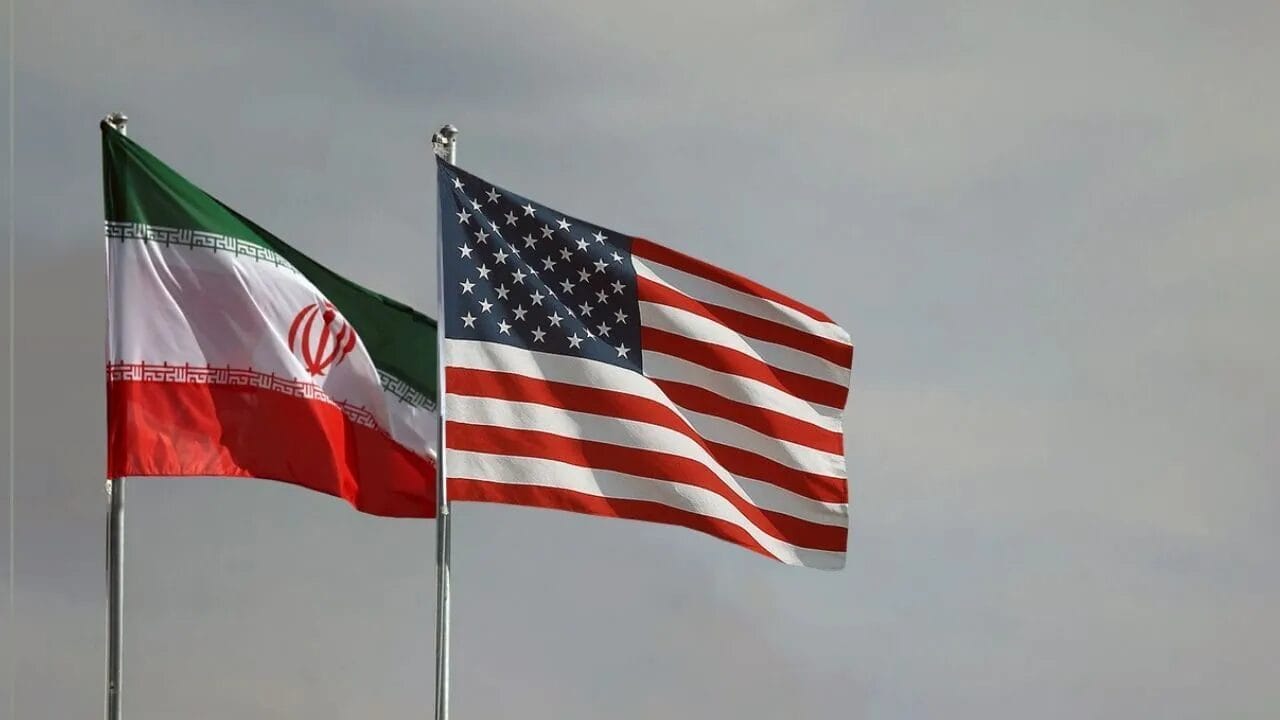
U.S. strikes on Iran targeted Islamic Revolutionary Guard Corps air-defense positions, radar systems and maritime capabilities on September 1, according to the U.S. military.
In an official statement, U.S. Central Command said its forces also struck mine-laying capabilities, communications sites and other military facilities. The command described the operation as a completed wave of attacks but did not provide a target count, damage assessment or information about casualties.
CENTCOM said the action followed attempted IRGC attacks against commercial shipping in the Strait of Hormuz and against American service members. That explanation represents the U.S. military’s account of the operation; the statement did not include an Iranian response or independently verifiable evidence about the preceding incidents.
U.S. Strikes on Iran Renew Strait of Hormuz Risks
The targets identified by CENTCOM place maritime security at the center of the latest escalation. The Strait of Hormuz is a critical route for Gulf energy exports, making radar networks, naval assets and mine-laying capabilities particularly relevant to shipping operations and regional risk assessments.
CENTCOM said more than 50,000 U.S. service members are operating across the Middle East. The command added that those forces remained prepared for further operations directed by the U.S. president, language that leaves open the possibility of additional military action if attacks on personnel or commercial vessels continue.
For global markets, the immediate focus will be whether the confrontation disrupts shipping through the strait or changes expectations for Gulf energy supply. The military statement did not report any interruption to commercial traffic, so conclusions about oil flows, freight costs or insurance premiums would require additional evidence.
